
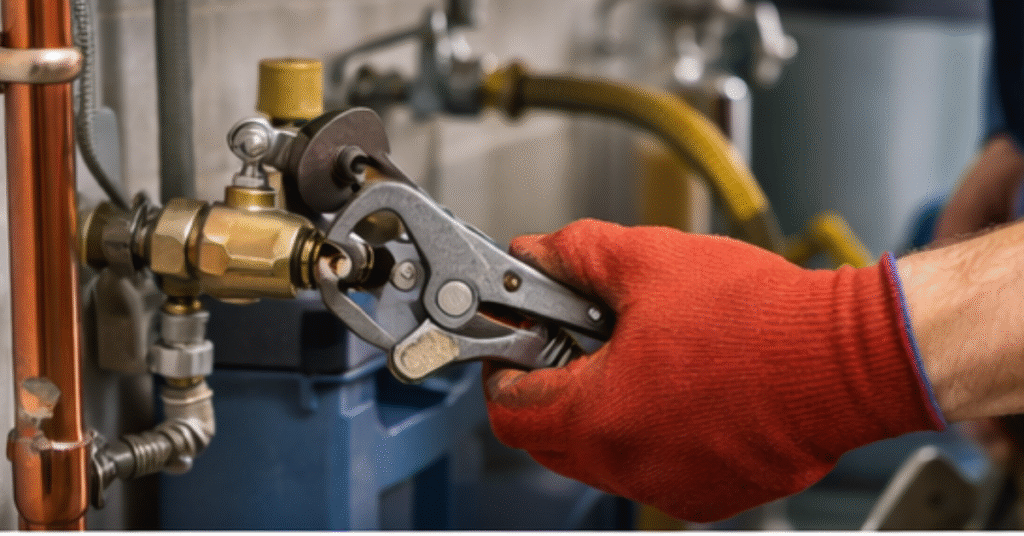
As temperatures begin to dip across Vancouver in November, homeowners face one of the most common — and expensive — winter plumbing issues: frozen pipes. When water freezes inside your pipes, it expands, increasing pressure and potentially causing pipes to burst. A single burst pipe can lead to extensive water damage, costing thousands of dollars in repairs.
The good news is that preventing frozen pipes is simple when you act early. This step-by-step guide from Einstein Pros Plumbing Vancouver will walk you through how to safeguard your plumbing system before winter’s chill sets in.
Why Frozen Pipes Are a Big Problem in Vancouver
Although Vancouver’s winters are milder than other parts of Canada, sudden cold snaps and wind chills can quickly cause unprotected pipes to freeze. Areas most at risk include:
- Outdoor faucets and hose bibs
- Pipes in unheated basements, crawl spaces, and garages
- Pipes along exterior walls with minimal insulation
- Water supply lines under kitchen and bathroom cabinets
According to the City of Vancouver’s Drinking Water Monitoring and Results, the municipal system maintains high water quality and reliability year-round — but homeowners are responsible for the maintenance and protection of pipes on private property.
Step 1: Identify Vulnerable Pipes
The first step is a full inspection of your home’s plumbing. Check for pipes that are:
- Close to exterior walls
- Located in cold or drafty areas
- Not insulated
- Showing signs of condensation or corrosion
Use a flashlight in crawl spaces and under sinks to ensure you don’t miss exposed sections. If you’re unsure, contact Einstein Pros Plumbing Vancouver for a professional inspection. Our licensed technicians can identify weak spots before freezing weather arrives.
Step 2: Insulate Exposed Pipes
Insulation is your first line of defense against freezing. Use foam pipe insulation sleeves or fiberglass wrap to cover vulnerable pipes. Pay special attention to:
- Pipes in garages, basements, and attics
- Outdoor spigots and irrigation lines
- Water lines near poorly sealed windows or vents
For additional protection, consider heat tape or electric heat cables, which can be wrapped around pipes and plugged in during freezing temperatures.
For official safety guidelines, refer to WorkSafeBC’s plumbing safety resources to ensure proper installation and handling of electrical heating elements.
Step 3: Disconnect and Drain Outdoor Hoses
One of the most common causes of burst pipes in winter is water trapped in outdoor faucets and hoses. Before temperatures drop:
- Disconnect all garden hoses.
- Drain any residual water from hose bibs.
- Close the interior shutoff valve that supplies outdoor faucets (if available).
- Open the outside faucet to allow any remaining water to drain out.
A simple step like this can prevent water from freezing and expanding in the line, which often causes costly ruptures behind walls.
Step 4: Seal Air Leaks Around Pipes
Cold drafts can quickly chill pipes, especially those near basement windows, vents, or foundation gaps. Use caulking or expanding foam sealant to block air leaks around:
- Cable or gas line entry points
- Dryer vents
- Basement windows
- Cracks in foundation walls
Even small openings can funnel cold air directly onto pipes, dramatically increasing the risk of freezing.
Step 5: Maintain Indoor Heating
Keeping your home warm—even when you’re away—prevents the temperature from dropping too low. Follow these guidelines:
- Keep your thermostat set at no lower than 13°C (55°F) at all times.
- Open cabinet doors under sinks to allow warm air to circulate around pipes.
- If you’ll be away for an extended period, shut off the main water valve and drain your pipes.
Regular heating not only prevents freezing but also reduces moisture buildup and mold risk.
Step 6: Let Faucets Drip During Freezing Nights
When temperatures are expected to drop below freezing, open a few faucets slightly to let cold water drip. The moving water prevents pressure buildup and reduces the chance of freezing.
Focus on faucets connected to pipes running through unheated spaces or exterior walls. Even a slow trickle can be enough to keep water flowing safely through the line.
Step 7: Know the Signs of a Frozen Pipe
If you suspect a frozen pipe, act quickly before it bursts. Warning signs include:
- No water coming from the faucet
- Frost visible on exposed pipes
- Strange noises when turning on taps
- Damp walls or ceilings (indicating a leak)
If you find a frozen pipe, do not use open flames or torches to thaw it. Instead, use a space heater or hair dryer, starting from the faucet end and working backward. If you cannot locate or access the frozen section, call Einstein Pros Plumbing Vancouver for immediate emergency assistance.
Step 8: Schedule a Professional Plumbing Inspection
The best way to ensure peace of mind this winter is to have your plumbing system inspected by licensed professionals. A winter-readiness inspection from Einstein Pros includes:
- Pipe insulation assessment
- Leak detection
- Faucet and valve testing
- Water heater performance check
- Outdoor faucet winterization
This proactive service can prevent sudden plumbing disasters and keep your system running efficiently throughout the season.
Final Thoughts
Frozen pipes are one of those plumbing issues that’s entirely preventable with early preparation. By insulating pipes, sealing air leaks, and maintaining steady indoor heat, you can safeguard your home from winter water damage.
If you need expert help winterizing your plumbing in Vancouver, schedule a service with Einstein Pros Plumbing Vancouver today. Our trusted local technicians are ready to inspect, protect, and prepare your home for the colder months ahead.